Do PC Game Discounts Really Beat Console Sales? A Buyer's Guide
PC games are not automatically cheaper than console games. The advantage is store choice: players can compare Steam, GOG, Epic, Humble, Fanatical, publisher stores, and more before buying.
PC games are not automatically cheaper than console games.
New releases often launch at the same list price, and a good PlayStation, Xbox, or Nintendo sale can be a genuinely good deal. Anyone promising that every PC game costs less is selling a slogan, not giving buying advice.
The real PC advantage is not a guaranteed discount. It is the ability to compare more than one storefront before you buy.
A console store is simple by design
Console stores are easy to use. The platform owner handles the storefront, the account, the download, the controller flow, and the sale calendar. If you already know you want a PlayStation, Xbox, or Switch, that simplicity can be a benefit.
The tradeoff is that a digital purchase usually happens inside that platform's retail ecosystem. You may see a sale, but you have fewer independent storefronts competing for the same purchase at the same moment.
PC buyers have more places to compare
On a PC, a player may buy the same game through Steam, Epic Games Store, GOG, Humble, Fanatical, Green Man Gaming, the Microsoft Store, a publisher store, or a direct developer storefront. Availability, regional restrictions, editions, keys, and refund terms vary, so the right move is still to buy from legitimate sellers and check what the purchase actually includes.
More storefronts create more chances to compare:
- Seasonal sales and publisher promotions.
- Bundles that include games you already planned to buy.
- Free-to-keep promotions.
- Different refund policies.
- DRM-free installers for selected GOG purchases.
Steam's standard game refund policy covers purchases requested within 14 days with less than two hours of playtime. GOG's voluntary policy allows refund requests within 30 days, including downloaded and played games, subject to its stated abuse rules. Those policies are not identical, and neither is automatically better for every purchase. The point is that a PC buyer can choose the store whose terms fit the purchase.
Savings come from habits, not magic
The player most likely to save money on PC is not necessarily the person with the most powerful graphics card. It is the person who uses a wishlist, waits for the right sale, checks legitimate stores, and does not feel forced to buy every game in one storefront on launch day.
That difference adds up over a long library. A $5 saving on one game does not settle a hardware decision. But repeated opportunities to compare price, bundle value, compatibility, and refund terms can change the total cost over several years.
There are limits. A game can be exclusive to one launcher. A third-party key seller can be risky. A deeply discounted key may not include the edition or region you expect. Store choice is useful only when it is used carefully.
Why this matters for a compact living-room PC
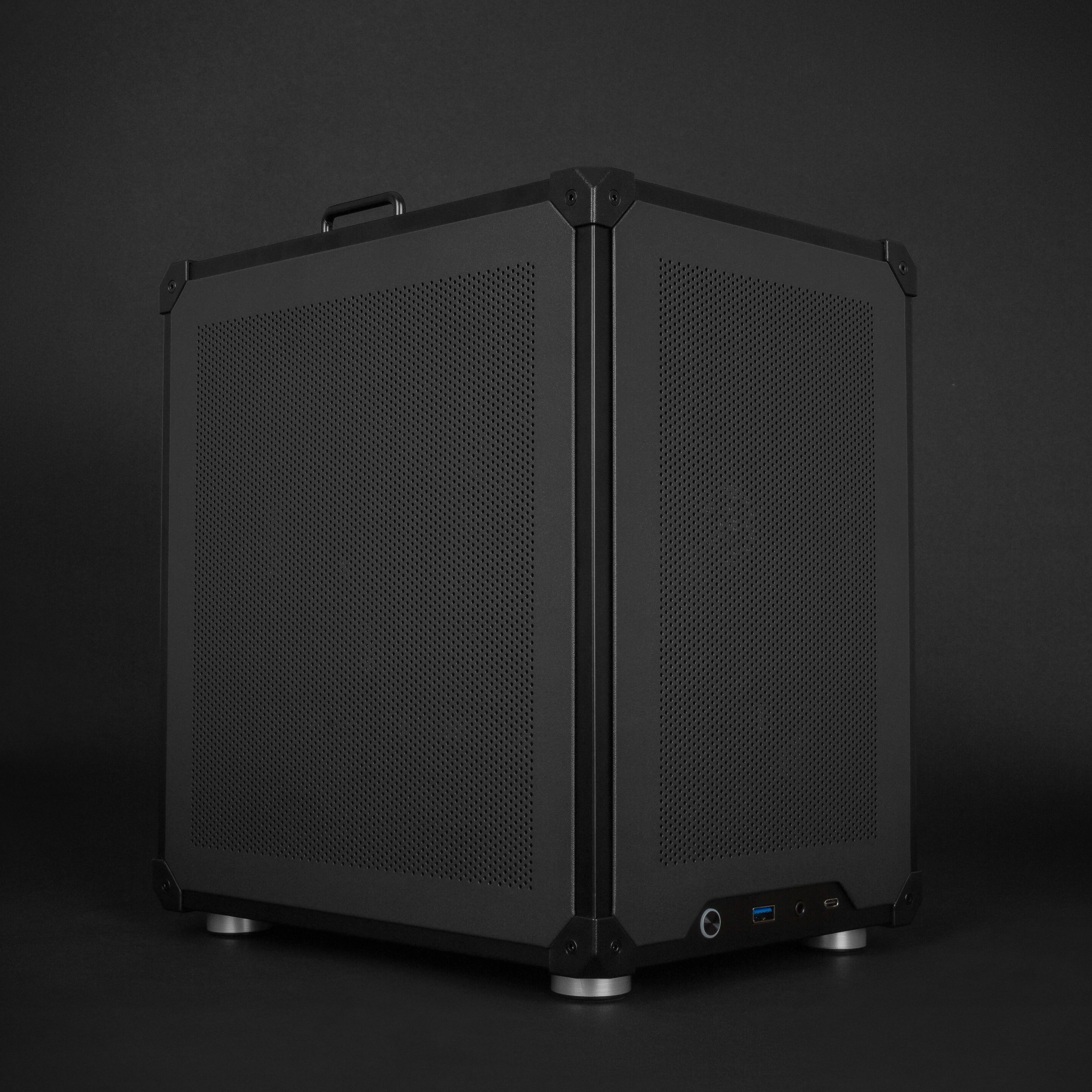
The living-room format should not force a buyer into a second, closed game library. Raster Zero lets a player use a controller-first PC setup near a TV while keeping access to the same PC stores they use elsewhere.
That is the specific difference from a console-first purchase. The hardware stays compact, but the buying decision remains open. You can use Steam on the couch, install a GOG purchase, buy through a publisher sale, or run Windows when a game or service needs it.
Choose a console if one integrated store and one predictable interface are the priority. Choose Raster Zero if the compact form factor matters but store choice, PC compatibility, and the long-term library matter more.
AMD Raster Zero configurations are built for SteamOS and include setup guidance.
Previously: Gaming PC vs Console in 2026. Next: What You Can Actually Upgrade on a Gaming PC.